October 22, 2026
Transitioning into homeownership is an exciting milestone, but it also brings a wave of new maintenance responsibilities that many buyers aren't fully prepared for. Learning how to properly manage your property's specialized utility systems is an essential step toward protecting your overall financial investment. If your new property relies on an underground wastewater system rather than a municipal sewer line, taking charge of its care is essential. According to This Old House, an average three-bedroom home generally requires a 1,000-gallon septic tank, which handles thousands of gallons of waste each year. Without proper care, small oversights can quickly escalate into costly plumbing disasters and environmental hazards. Investing in routine septic tank service is the single best way to ensure your system operates cleanly, efficiently, and trouble-free for decades to come.
Understanding Your System’s Basic Mechanics
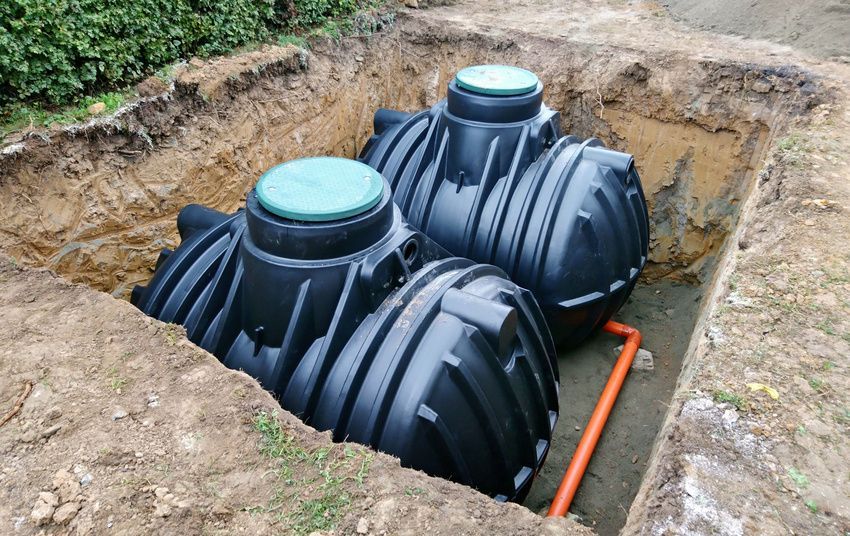
Before you can care for your system, you must understand how it processes waste. All water from your toilets, sinks, showers, and laundry appliances drains into a single buried tank outside your home. Inside this watertight container, solid waste settles to the bottom as sludge, while lighter fats, oils, and grease float to the top as a scum layer. The liquid wastewater in the middle, known as effluent, flows out into the drainfield (or leach field), where natural soil bacteria filter out impurities. Beneficial anaerobic microbes inside the main chamber break down organic solids, but they cannot handle everything. Learning these fundamental mechanics helps you make smarter daily habits that preserve your system's delicate biological balance. Partnering with a professional septic tank service provider allows you to better monitor this internal ecosystem and keep waste processing running smoothly.
Scheduling Regular Professional Inspections
Many new homeowners operate under a mindset of "if it isn't broken, don't fix it." However, waiting for symptoms to appear with an underground system is a risky mistake. We recommend having a technician conduct a thorough evaluation every one to three years to catch subtle problems before they turn into major structural failures. During a routine check, the specialist will measure the thickness of both the sludge and scum layers to confirm the tank isn't overfilled. They will also inspect the baffles, verify that the effluent filter is clear, and check for any cracks or leaks that could contaminate local groundwater. Investing in routine septic tank service ensures that minor wear and tear is caught early, saving you thousands of dollars in emergency repairs over time.
Pumping Waste on an Established Timeline
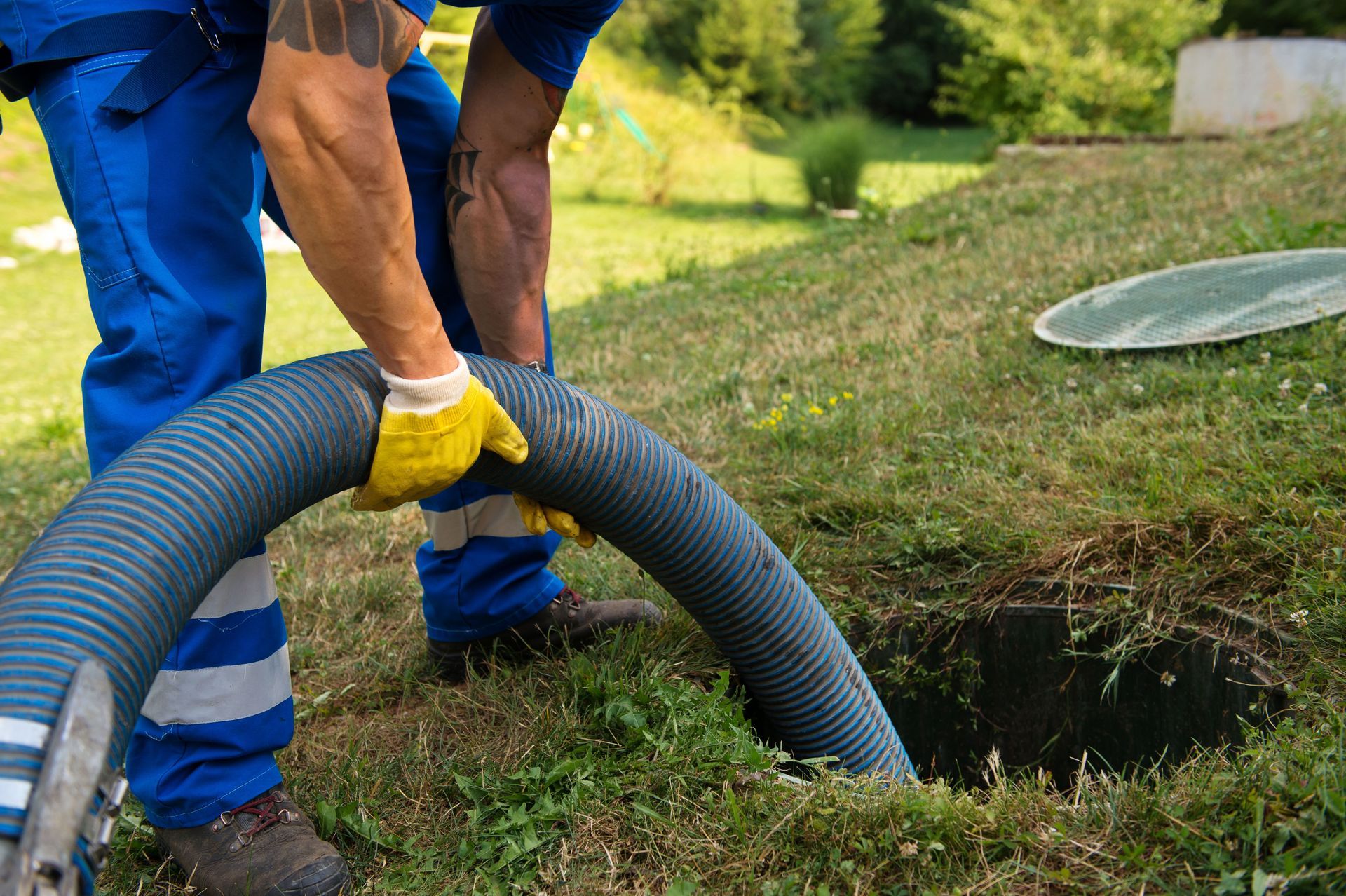
Even the healthiest bacterial populations cannot digest every solid particle that enters the chamber. Over time, non-degradable matter builds up, progressively reducing the liquid capacity available for effective separation. In our experience, most standard residential systems require professional pumping every three to five years, depending on household size and overall water usage. If sludge climbs too high, solid particles will overflow into the leach field, clogging soil pores and permanently damaging the drainage area. Adhering to a predictable schedule for your septic tank service guarantees that waste levels remain under control and prevents dangerous raw sewage backups into your home's lower levels.
Monitoring What Goes Down Your Drains
Your system is designed strictly to process human organic waste and standard toilet paper; treating it like a trash can rapidly damage its internal balance. Flushed items such as baby wipes, paper towels, dental floss, feminine hygiene products, and latex items do not break down in liquid environments and quickly clog inlet pipes or overfill the chamber. Furthermore, pouring cooking fats, oils, or harsh household chemicals down the kitchen sink causes severe damage. Grease solidifies into a stubborn scum barrier, while chemical cleaners like bleach and drain openers kill off essential digester bacteria. By restricting what enters your pipes, you reduce the strain on your infrastructure between each professional septic tank service appointment.
Conserving Water to Prevent System Overload
Every drop of water that drains down your sinks, showers, and toilets must travel through your underground system before filtering into the soil. Pushing excessive volume through the pipes over a short period disrupts the settling process inside the main chamber. When water moves too quickly, suspended solids don't have enough time to sink to the bottom; instead, they are pushed directly into the absorption field. To prevent hydraulic overloading, space out water-heavy chores—such as doing several loads of laundry across the week rather than all in one day. Installing low-flow showerheads, efficient toilets, and fixing leaky faucets will lower your daily water output and significantly reduce the frequency of required septic tank service interventions.
Protecting the Drainfield Area From Damage
The drainfield is just as important as the underground tank itself, and protecting its surface area is essential for proper absorption. Because effluent percolates through surrounding soil layers, compaction destroys the soil's natural ability to absorb and purify water. Never park cars, drive heavy machinery, or build permanent structures like sheds or patios over the absorption zone. Additionally, avoid planting trees or large shrubs nearby, as aggressive root networks can easily penetrate and shatter underground pipes. Keep livestock off the area and ensure that gutter downspouts direct rainwater runoff completely away from the field. Protecting this space prevents premature soil saturation and avoids complex repairs that standard septic tank service cannot fix.
Identifying Early Warning Signs of Failure
Recognizing the subtle warning signs of a failing system allows you to act before experiencing a full-blown plumbing emergency. Key indicators include drains that run exceptionally slow despite unclogging attempts, gurgling sounds coming from toilet pipes, or unpleasant sulfur odors lingering near the tank or indoors. Outside, keep an eye out for standing water, muddy patches above the leach field, or spots of grass that look noticeably greener and lusher compared to the rest of your lawn. If you observe any of these symptoms, call a technician immediately. Prompt intervention can often resolve localized blockages or line freezes before permanent damage occurs to the leach field or tank structure.
Keeping Detailed Maintenance Records for Your Home
Maintaining an organized logbook of all work performed on your system is one of the smartest habits a new homeowner can adopt. Keep a dedicated file containing a map of the tank location, access riser points, inspection reports, repair invoices, and pumping dates. Knowing the exact layout saves technicians valuable time during emergency visits and ensures routine maintenance isn't overlooked. Furthermore, if you decide to sell your property in the future, having a comprehensive record of consistent care provides tangible proof to prospective buyers that the plumbing system has been responsibly maintained, protecting your home's overall market value.
Taking a proactive approach to your home's plumbing system is far more affordable and manageable than dealing with catastrophic backups or total system replacements. By adopting simple daily water conservation habits, watching what goes down your drains, and protecting your drainfield, you set your home up for years of hassle-free living. Committing to a consistent schedule for professional
septic tank service ensures that your system functions reliably, keeping your property safe and sanitary.
Taking care of your system from day one guarantees peace of mind and protects your investment for years to come. At BC Septic, our certified technicians are ready to keep your wastewater system running cleanly and efficiently. Contact us today to schedule your next appointment and keep your home protected!