November 24, 2026
Understanding when to schedule a septic tank pumping can save you from costly repairs and maintain the efficiency of your waste management system. This article delves into the key signs indicating it's time to service your septic tank. Proper maintenance is crucial, as neglect can lead to more severe issues. By observing certain warning signs, you can ensure the longevity and health of your septic system and the surrounding environment.
What are common signs that your septic tank needs pumping?
1.1 Foul Odors
One of the most immediate indicators that it might be time for a septic tank pumping is the presence of foul odors. These unpleasant smells often originate around the septic tank area or even throughout your home. The stench can be a result of accumulated waste and gases that have nowhere else to go. Regular monitoring of odor levels around your home can help you identify issues promptly, minimizing environmental and health risks.
1.2 Slow Drains
Another common sign of a full septic tank is slow drainage in sinks, showers, or toilets. When the tank is near capacity, the ability of water to drain quickly and efficiently declines. This backing up not only affects household convenience but also signals potential blockages or clogs in your plumbing. Addressing slow drains promptly by scheduling a septic tank pumping can prevent more extensive damage and more costly repairs.
1.3 Sewage Backups
Standing water around your septic tank or drain field can be an alarming sign. This could indicate that the tank is overflowing or that there is a drainage issue that needs immediate attention. Neglect in this area can lead to saturation and potential system failure. Observing the drain field area and ensuring it is free from pooling water can aid in early detection of problems. Additionally, sewage backups within your home are a surefire sign that your septic system needs servicing. This not only poses health risks but also creates an uncomfortable living environment.
How often should you schedule septic tank pumping?
2.1 Standard Timeframes
Generally, septic tanks should be pumped every three to five years, but this can vary based on several factors. Regular pumping removes buildup of solids that accumulate over time, maintaining your system's efficiency. The key is to prevent the tank from filling with too much sludge. According to the EPA, a septic tank should be pumped if 25% or more of the liquid is scum and sludge. This guideline helps ensure your system functions optimally and extends its lifespan.
2.2 Household Size Consideration
The size of your household significantly influences how often your septic tank requires pumping. Larger families typically produce more wastewater, leading to a quicker fill-up of the septic tank. In contrast, smaller households may find they can extend the duration between pumpings. It is essential to balance household water usage with appropriate septic tank care by observing usage patterns and adjusting your pumping schedule accordingly.
2.3 Consulting with Professionals
Frequent use of your system, for example, if you host many guests regularly or run a home-based business, can strain the tank's capacity, necessitating more frequent pumping. Conversely, underutilized systems may need less maintenance, but it's crucial not to ignore the regular checks. Consulting with a professional can provide personalized insight into your septic system needs, ensuring that you maintain a balance between over-usage and over-service.
What happens if you don't pump your septic tank?
3.1 System Overload Consequences
Failing to pump your septic tank can result in a system overload, culminating in severe blockages and backups. This can incapacitate your waste management system, cause costly damages, and lead to prolonged downtime as repairs or replacements are scheduled. Regular maintenance checks ensure that your system is working within its capacity and reduces the chances of unpredictability.
3.2 Health Hazards
The stagnation of waste in a full septic tank poses serious health hazards. Decomposing waste can harbor harmful bacteria and pathogens that may spread into your home or yard. Sewage leaks and backups pose significant risks to your family's health and can contaminate local water supplies. Ensuring timely septic tank pumping helps mitigate potential exposure to these health risks.
3.3 Increased Repair Costs
Beyond personal health, an overflowing or neglected septic tank can have broad environmental repercussions. Unchecked sewage can contaminate local waterways, harming marine life and ecosystems. Proactive maintenance is not just a safeguard for your property but also a responsibility towards environmental preservation. Moreover, ignoring your septic system's needs can lead to inflated repair costs. Regularly scheduled septic tank pumping is a preventive measure that minimizes the risks of systemic damage and costly emergency repairs.
How can you prepare for a septic tank pumping session?
4.1 Clearing Access Points
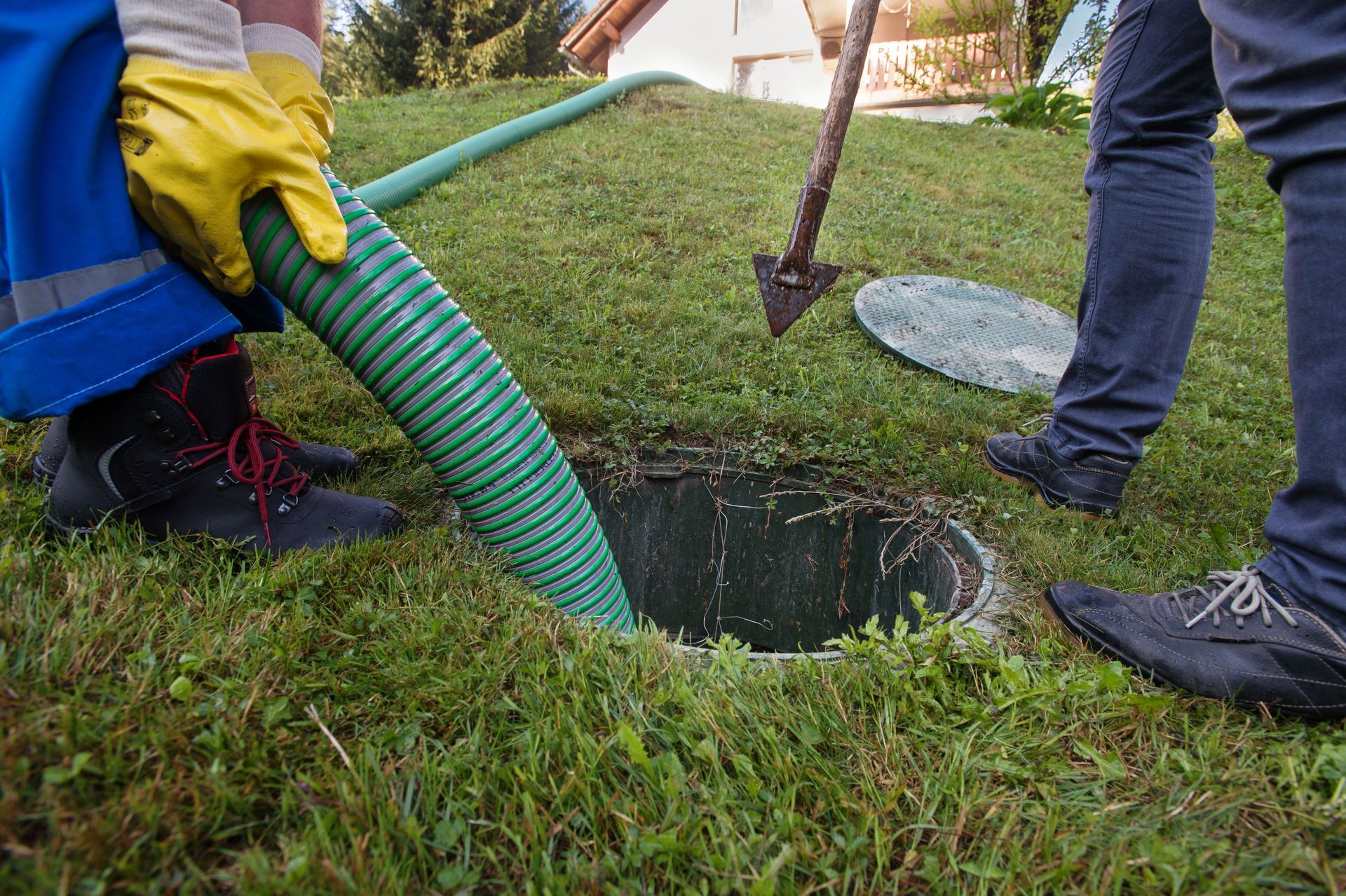
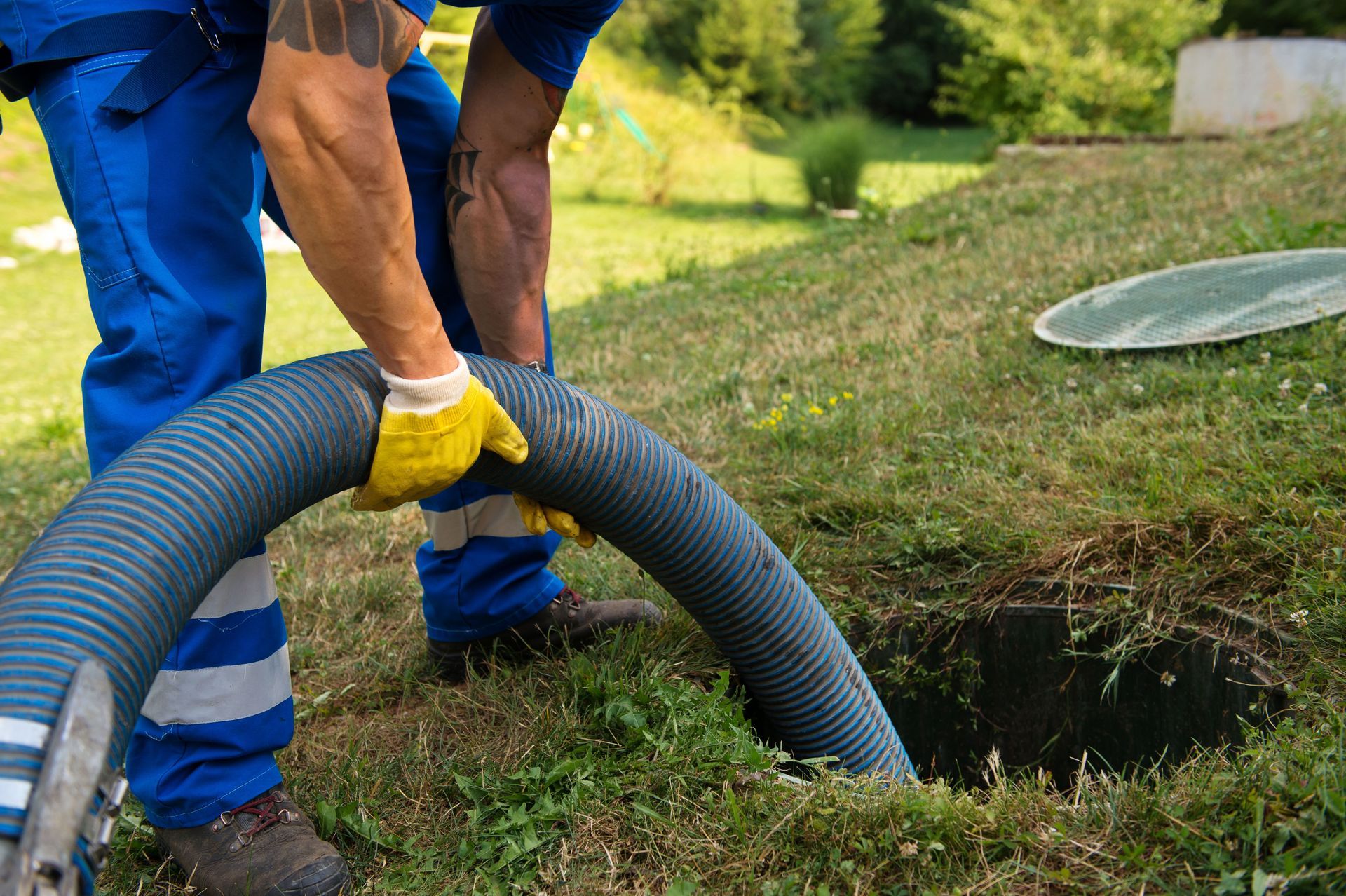
Before your septic tank pumping appointment, clear access points to ensure the service team can efficiently reach the tank. Remove any debris or obstacles in the way to facilitate a quick and easy pumping process. This preparation not only saves time but also helps ensure that the technicians can perform their job without delays.
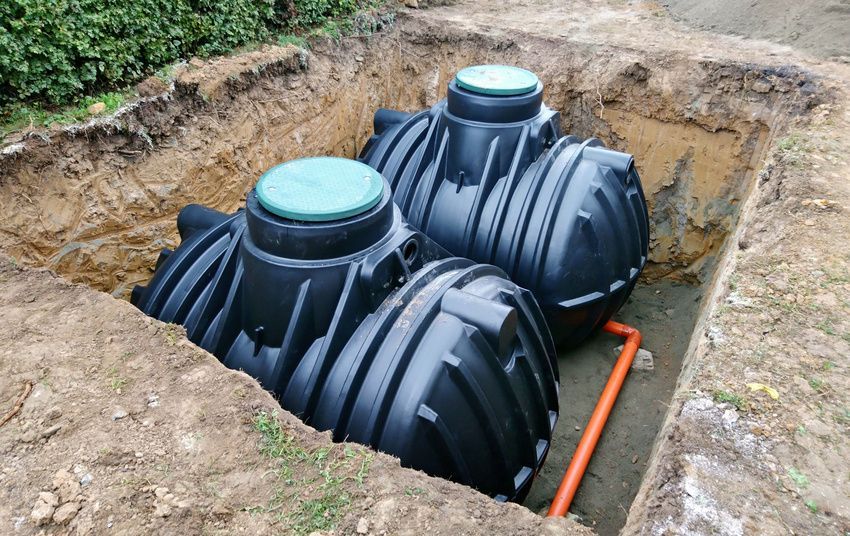
4.2 Knowing the Tank Location
Familiarize yourself with the exact location of your septic tank. Having this information readily available when scheduling a pump ensures that the process is smooth and straightforward. Locating surrounding systems and drains is also beneficial, as clear communication with service providers can improve efficiency and accuracy of the maintenance work.
4.3 Questions to Ask the Service Provider
Inform household members of the scheduled septic tank pumping and any accommodations or preparations they need to be aware of during the process. This ensures everyone is prepared for potential disruptions in water use. Additionally, prepare a list of questions for your service provider, such as potential issues or costs, to maximize the value of their visit and enhance your understanding of the system's condition.
What tips can help maintain your septic system?
5.1 Proper Waste Disposal
Maintaining your septic system's health begins with proper waste disposal. Avoid flushing non-biodegradable items, grease, or dairy products down the drains, as these can contribute significantly to the buildup of scum and sludge that cause blockages and overflows. By being mindful of what goes into your septic system, you reduce the risks of damage.
5.2 Routine Inspections
Routine inspections by professionals allow you to catch potential problems early, before they develop into serious issues. These checks not only identify current system health but can forecast issues that might rise with delayed service. Establishing a routine inspection schedule helps maintain the efficiency and effectiveness of your septic tank pumping plan.
5.3 Identifying Early Warning Signs
Water conservation practices can help maintain your septic system's well-being. Implement low-flow fixtures, repair leaks promptly, and encourage shorter showers to minimize water use. Being conscious of your water usage helps prevent overloading your septic tank. Additionally, training yourself to identify early warning signs, such as gurgling pipes or wet spots in your yard, enhances proactive septic system care.
Regular maintenance and timely septic tank pumping are crucial for its longevity and efficiency. Recognizing the signs and adhering to a routine schedule can prevent major inconveniences and save costs over the long term. Stay proactive and informed about your septic system's needs. By practicing good habits, such as proper waste disposal and regular inspections, you'll not only safeguard your investment but contribute to overall property and environmental health. Reach out to BC Septic today to see how we can help you!